Solar for Farm Water Pumps: What to Plan For
Planning a solar installation for farm water pumps requires careful analysis of peak demand, motor starting currents, and grid connection requirements in the Waikato.
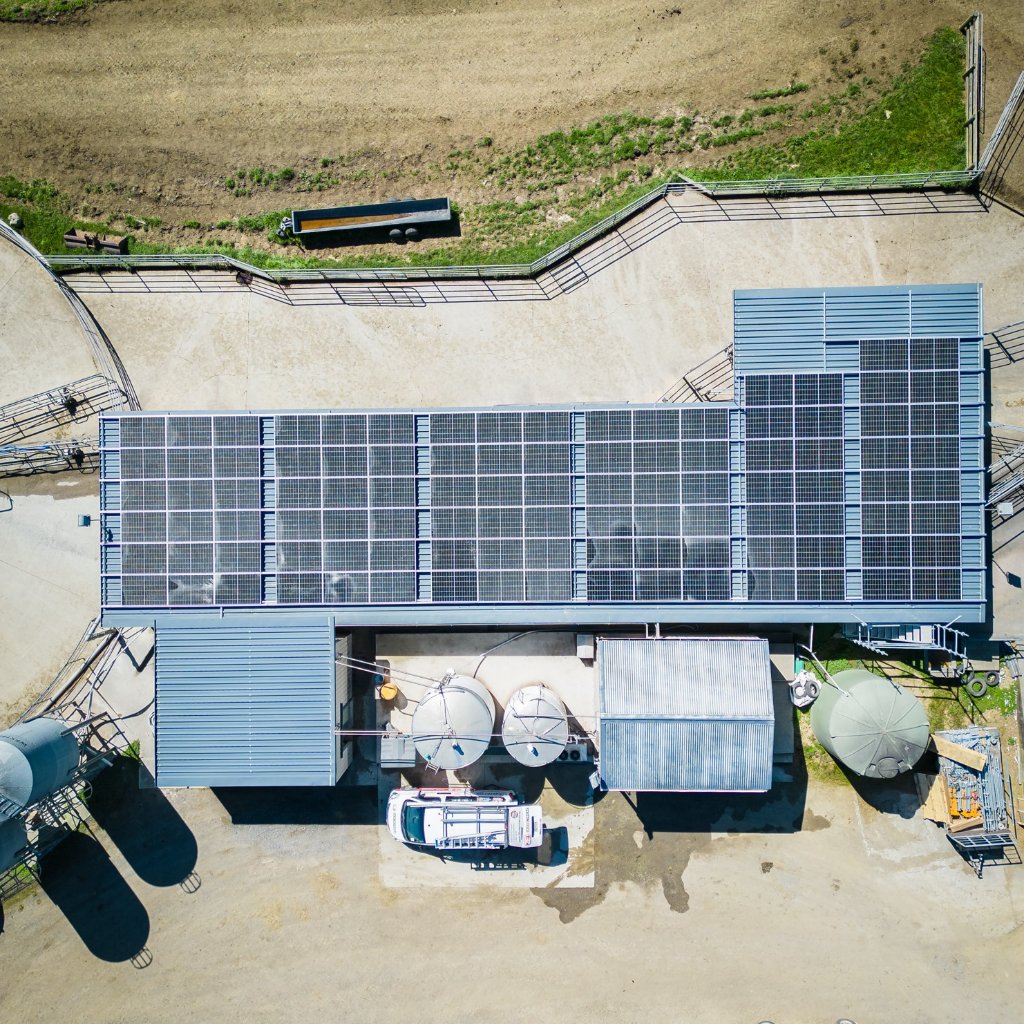
For many rural properties in the Waikato, water pumps represent one of the most significant and consistent electrical loads. Integrating farm solar water pumps into your existing energy infrastructure is a practical way to manage operational overheads, but it requires more than just mounting panels on a shed roof. Because water pumping often occurs during specific hours, aligning solar generation with pump usage is the cornerstone of a successful system design.
Solar Waikato helps rural property owners evaluate their specific pumping requirements against their site electrical capacity. Whether you are running deep bore pumps, irrigation systems, or stock water reticulation, the interaction between your pump motors and the solar inverter is critical. We focus on designing systems that integrate safely with your existing electrical setup, ensuring your water supply remains reliable regardless of the weather.
Understanding motor startup loads
Water pumps are not like standard lighting or heating loads. They possess high starting currents, or inrush currents, which can be several times higher than their running current. When designing a solar system, we must ensure the inverter can handle these spikes without tripping or defaulting. If your pump starts automatically via a pressure switch or float sensor, the solar system needs to be sized to accommodate that instantaneous demand, even if the pump only runs for a short period.
Soft starters or variable frequency drives (VFDs) are often integrated into our pump control designs to mitigate these high-start loads. By smoothing the power ramp-up, we reduce stress on both the pump motor and the electrical supply, allowing for a more efficient solar integration. Our team evaluates your existing control gear to see if these upgrades are necessary before finalizing your solar layout.
Grid connection and network requirements
Every solar installation must comply with AS/NZS 4777.2 inverter requirements and relevant local lines company standards. In the Waikato, grid connection processes vary depending on your specific network operator. Before any equipment is installed, we manage the application process to ensure your system meets all safety standards for grid-tied operation.
This process involves assessing your site's three-phase or single-phase supply and determining how much power you are permitted to export to the grid. If your farm or commercial operation has an existing heavy load profile, your connection requirements will be assessed to ensure you remain within the permitted power quality thresholds. Compliance is non-negotiable, and we ensure all work is signed off by registered electrical workers.
Where solar fits, and where it does not
Solar energy is most effective when your pump load matches the peak of solar production. If your irrigation cycles are strictly controlled by timers that run mostly at night, the solar system will be unable to power the pumps directly. In such cases, the system relies on grid export and import, which may not provide the operational efficiency you expect. If your pump schedule is flexible, we can help you shift your usage to daylight hours to maximize your solar self-consumption.
Solar is also limited by the physical characteristics of the pump system itself. If your pump motor is ageing or inefficient, solar will simply power that inefficiency. We often recommend a site assessment to review whether pump maintenance or motor replacement is required before investing in a solar array. For properties with extremely intermittent, high-power pumping requirements that exceed the site's electrical capacity, solar might not be the primary solution for reducing demand charges. Every site is unique, and we are honest about whether a solar investment provides a practical return for your specific pumping setup.
Integration with broader farm energy needs
While water pumps are your primary focus, they rarely operate in isolation. Your farm infrastructure likely includes dairy shed milk cooling, lighting, feed systems, and general rural workshop loads. By taking a holistic view of your electricity consumption patterns, we can design a solar array that services the pump load while also contributing to the wider property requirements. This is why we specialize in farm solar Waikato solutions that take your entire electrical profile into account.
Compliance and safety standards
Safety is the primary driver of our installation methodology. All systems we design adhere strictly to AS/NZS 5033 standards for DC installations. This includes proper isolation, cabling integrity, and fire safety measures tailored to rural environments where dust and pests can pose risks. We ensure all equipment is chosen for longevity, reflecting the reality of operating in the Waikato climate. For more information on how we approach these rural projects, you can view our farm solar Waikato page or review our work at a Putaruru dairy farm.
Next step
If you are ready to explore how solar can support your water pumping requirements, we invite you to book a site assessment. We visit your property in Hamilton, Cambridge, Te Awamutu, or Morrinsville to inspect your current pump configuration, check your meter data, and assess your roof or ground space for potential mounting. You can reach out to us through our contact page to arrange a time.
Every system is quoted after a site assessment, as factors such as site-specific motor types, electrical infrastructure, and peak load requirements determine the exact equipment needed for your property.
Common questions
More questions answered in our solar FAQ.