How Dairy Shed Solar Handles Milk Cooling Loads
Learn how dairy shed solar systems align generation with peak milk cooling loads. We explain the technical requirements for Waikato dairy farms and network integration.
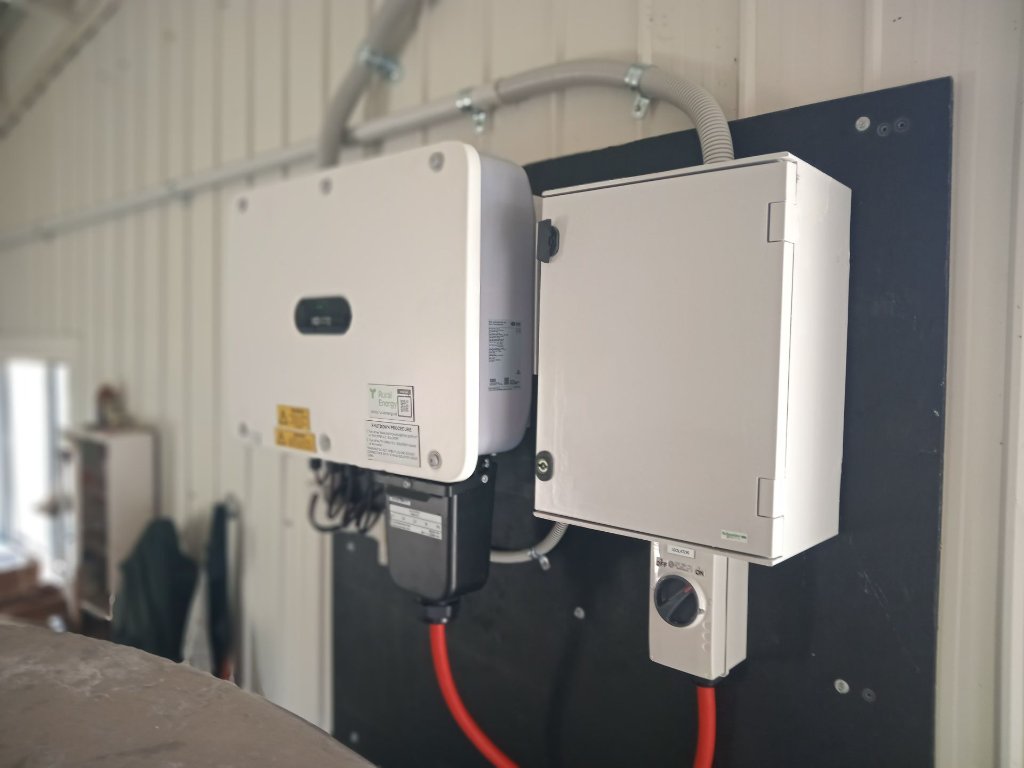
Dairy farming in the Waikato is energy intensive, with milk cooling representing one of the largest electrical loads on the farm. As electricity costs fluctuate, many farmers are turning to dairy shed solar to offset these daytime energy requirements. Aligning solar generation with the cooling cycles of a dairy shed is a logical step toward managing operational overheads.
At 2E Electrical, we understand the specific demands of rural power systems. We design and install systems that comply with AS/NZS 5033 and AS/NZS 4777.2 standards to ensure your farm operates safely and efficiently. This guide explains how solar PV technology integrates with the heavy cooling loads inherent in a modern dairy shed.
Understanding the cooling load profile
Milk cooling is a time-sensitive process that demands significant power, particularly during the morning and afternoon milking sessions. The primary load comes from refrigeration units, vat cooling, and milk pumps. The challenge for solar is matching the sun's generation curve to these milking times.
In the Waikato, peak solar generation occurs mid-day. However, milking often happens early in the morning and late in the afternoon. A well-designed solar system does not necessarily need to cover 100 percent of the milking load to be effective. Instead, it works by offsetting the base load of the dairy shed throughout the day, including cooling vats that run between milkings to maintain milk temperature, as well as water heating and pump operation.
Technical requirements for dairy shed integration
Integrating solar into a dairy farm requires careful coordination with your local lines company and electricity retailer. Because most dairy sheds utilize a three-phase supply to handle industrial-sized motors, your solar inverter must be compatible with these systems.
We ensure that every system we install meets AS/NZS 4777.2 requirements regarding inverter power quality and grid protection. When the solar system produces more energy than the shed requires, the surplus is exported back to the grid. Our team manages the network application process to ensure your site's grid connection can accommodate the export, as some rural lines have capacity limitations that must be addressed during the design phase. We have successfully navigated these requirements for various operations, such as our project at the Whatawhata Dairy Farm.
Where solar fits, and where it does not
Solar is highly effective for reducing daytime reliance on the grid, particularly for loads that operate constantly, such as vat refrigeration and dairy water heating. If your farm has a high daytime energy demand, solar acts as a generator that reduces your import costs directly.
However, solar is not a complete replacement for grid power. It does not store energy for overnight use without a significant investment in battery storage, which is not always the most economical choice for every dairy operation. If your cooling peak falls entirely outside of daylight hours, the value of solar is limited to the base load rather than the primary cooling load. Furthermore, if your site is located at the end of a long, weak rural line, grid export limitations might restrict the size of the system we can install. A site assessment is essential to determine if your specific grid connection can support the intended system size.
Installation and compliance in the Waikato
Installing solar on a dairy shed requires more than just mounting panels. It involves complex electrical work, including integrating the solar system with your switchboard, installing compliant protection devices, and ensuring the system is correctly registered with the local lines company.
Our team at 2E Electrical specializes in farm solar in the Waikato. We handle the design and installation, ensuring every component meets NZ electrical safety standards. We manage the paperwork and technical requirements so that you can focus on farm management while your system operates in the background.
Next step
If you are ready to see if solar is a fit for your dairy shed, reach out to our team for a free on-site assessment. We will evaluate your current energy consumption, your site's orientation, and your grid connection to provide a tailored approach to your farm's energy needs.
Every system is quoted after a site assessment to account for your specific shed layout, electricity usage patterns, and grid connection constraints.
Common questions
More questions answered in our solar FAQ.